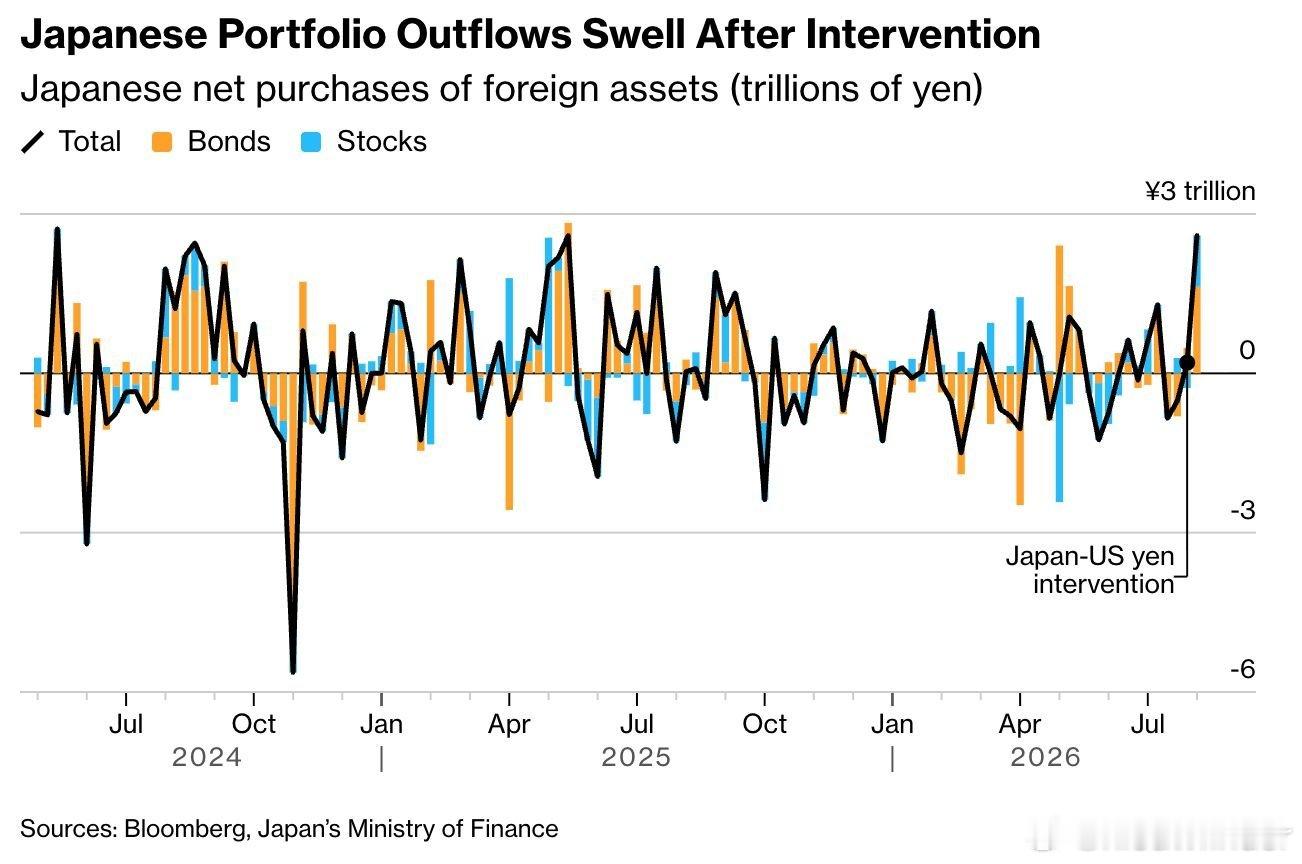
Bloomberg: The yen has just highlighted the limits of FX intervention: the US and Japan massively supported the currency at the end of July, yet less than two weeks later USD/JPY is already back close to 160.
The mechanism is almost perverse. Investors borrow yen at a very low cost, sell it, and invest the proceeds in higher-yielding assets. When Tokyo intervenes and forces the yen sharply higher, hedge funds can simply use that better level to... sell it again. Even Japanese investors took advantage of the post-intervention rebound in the yen to buy more foreign assets, effectively recreating selling pressure on their own currency.
However, that does not mean every intervention is simply a gift to yen bears. The trade is becoming much more dangerous. The US directly backed Japan while pressure is increasing on the BoJ to accelerate rate hikes. As long as the fundamentals do not change, a move back toward 160-162 remains perfectly credible, but if the next intervention is accompanied by higher Japanese rates and lower US yields, the interest-rate differential could finally start narrowing.
The more investors view interventions as temporary, the more they rebuild short-yen positions afterward. They are effectively compressing a huge spring themselves. If USD/JPY then starts falling sustainably, carry traders will have to buy back yen to unwind their positions, which would push the currency even higher.
Shorting the yen still makes fundamental sense but the risk/reward deteriorates sharply as USD/JPY moves back toward 160-162. As long as Tokyo fails to change the fundamentals, hedge funds are probably right to come back. The day those fundamentals genuinely change, everyone will want to exit through the same door.